
Home Contact Sitemap login Checkout

1-866-521-2726

Contact Us

Patient Login

Free Shipping

Careers

Advanced Respiratory Care Network
  • Home
  • Respiratory Diagnostics
    • Respiratory Diagnostics
    • Allergy Testing
    • Pulmonary Function Testing
  • Oxygen Services
    • Oxygen Services
    • Home Oxygen Safety
    • Traveling with Home Oxygen
    • Home Oxygen Equipment
  • Sleep Apnea
    • Sleep Apnea
    • Symptoms
    • Diagnosis
    • Treatment
    • Tips for Sleep Apnea
    • Risk Factors and Identifiers
    • Sleep Education
      • Sleep Education
      • Humidity and CPAP
      • Improving Sleep Therapy
      • What to Expect
      • Choosing a Mask
      • Understanding Mask Leaks
      • Care of Equipment
      • Equipment Replacement
      • CPAP Treatment Tips and Benefits
      • Traveling with CPAP Equipment
      • Sleep Apnea and Cardiac Disease
      • Sleep Apnea and Diabetes
      • Sleep Apnea and Hypertension
      • Sleep Apnea and Stroke (Cerebrovascular Disease)
      • Video Links
    • Helpful Links
  • Sleep Diagnostics
    • Sleep Diagnostics
    • Full Sleep Studies
    • Portable Sleep Monitor
  • Cardiology
    • Cardiology
    • Cardiology Consultation
    • Cardiology Diagnostics
  • Shop
    • Shop
    • CPAP and BiPAP Machines
    • CPAP Masks
      • CPAP Masks
      • Nasal Masks
      • Full Face Mask
    • CPAP Accessories
  • Contact
    • Contact
    • Edmonton Area
    • Camrose
    • Wetaskiwin
    • Red Deer
    • Calgary Area
  • Blog
Print This Page

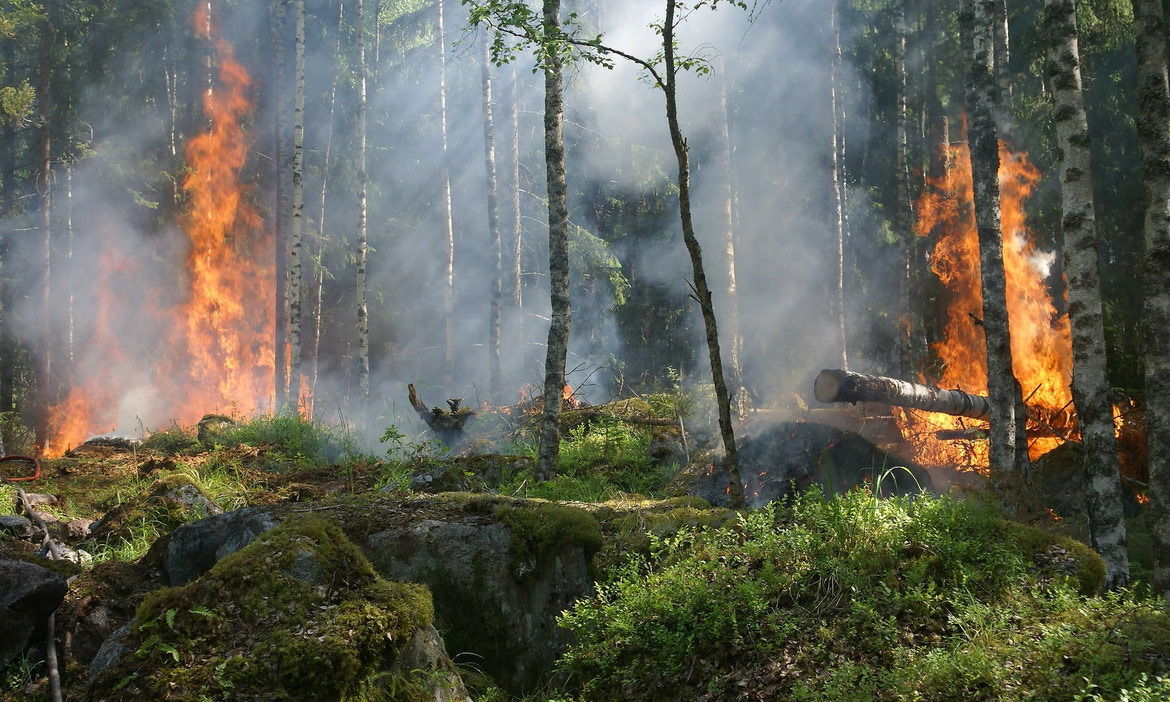
Recommendations for Asthmatics During Wildfire Season

If you live with asthma and are still in an area impacted by the wildfires, or are in a banned area, here are tips to help you!

Wildfire season started early this year in Alberta, but unfortunately, that doesn’t mean it’s quite over yet. This wildfire smoke contains particles that can irritate your eyes, nose, throat and lungs so if you have allergies, you’re at a much higher risk for worsened effects when the air quality is poor. If you’re an asthmatic and are still in an area amongst the wildfires, or are in a banned area, there are tips to help you!


Be Prepared


Making sure you’re ready before fire season begins is vital in how the season will play out for you. There are a few ways you can be prepared. It’s a great idea to get your house clean and have all of the windows closed. This will keep you protected when you are in your home. You can also get an appropriate mask for when you go outdoors. In case of an evacuation, you’ll also want to be prepared to evacuate with your personal belongings that mean the most to you and a disaster kit in case of emergency. 


Protect Yourself 


Keeping yourself protected when the season starts is also one of the most important things you can do, especially if you have asthma. Being ‘downwind’ from the wildfire zone is when you want to be most cautious. You can protect yourself by checking the local air quality as well as seeing where the local fire bans are. You can also protect yourself by…

  • Staying indoors as much as possible. 
  • Keeping all doors and windows closed. 
  • Wearing a mask when outdoors.
  • Carrying relief medicine with you at all times. 
  • Considering using an air filter, cleaner or HVAC system to improve the air quality in your home. 


Check In With Your Doctor 


It is recommended that people with asthma or other lung diseases, cardiovascular diseases or diabetes should check with their physician before, during and after wildfire season to see how their body is performing and if they need to change any medication to cope with the smoky conditions. It’s important to go see them right away if you are noticing large changes in your condition due to the smoke as this can cause further issues if left untreated. 


Avoid Clean Up 


After the season is over or a disaster occurs, many residents and volunteers will lend a helping hand during clean up. If you have a heart or lung concern, it is important to sit this one out. You should avoid the dust and soot, keep your face covered with a mask and stay clear from the area. Although you cannot help with clean up, there are many other ways you can help! Offer to bring water, supplies or food to the volunteers instead. 


Now that you have some recommendations on what to do during wildfire season, you should feel safe and prepared for what could come. It is always important to remember that safety should be your main concern, so if something is ill advised or there is a ban in your area - stay clear! If you have asthma or a different lung or heart condition and are looking for medical attention, feel free to contact Advanced Respiratory Care Network for a consultation.

The Long-Term Effects of COVID-19 On Your Lungs
Monday, December 28, 2020

What are the long-term affects of COVID-19 on your lungs? Here's a little insight in our latest blog.

What Teens Need to Know About Vaping, Asthma & Air Quality
Friday, August 8, 2025

Think vaping is harmless? Not so fast. Your lungs are still developing well into your 20s, and vaping, poor air quality, and undiagnosed asthma can cause real, lasting damage. This blog breaks down what you need to know.

Sleep Apnea and Sleep Testing: Your FAQs Answered
Friday, April 26, 2024

Sleep apnea is a common sleep disorder that affects millions of people worldwide. It can lead to serious health issues if left untreated, but the good news is that it's highly manageable with the right approach.

Can Digestive Issues Make It Hard to Breathe? Understanding the Gut-Lung Link
Friday, August 8, 2025

Your breathing problems might not start in your lungs. Learn how digestive conditions like acid reflux and gastroparesis can make asthma, chronic bronchitis, and other lung conditions worse.

Heart Month: Top Tips to Improve Heart Health
Wednesday, February 1, 2023

February is American Heart Month and to raise awareness around heart health, we want to share a few tips on how to improve your heart health.

Show more from Blog
Benefits of Quitting Smoking
Wednesday, September 18, 2024
Post‑Holiday Fatigue or Something More? When Tiredness Signals a Lung or Heart Issue
Wednesday, January 7, 2026

Still exhausted weeks after the holidays? Our latest post breaks down when post-holiday fatigue is normal, when it's not, and the symptoms Albertans shouldn't ignore this winter.

How to Prepare Yourself for Allergy Season
Tuesday, June 2, 2020

We re here to help you learn more about common allergies and show you some steps towards making them better!

Coping with Emotional and Social Challenges of Home Oxygen Therapy
Thursday, October 26, 2023

Home oxygen therapy provides essential respiratory support to individuals with breathing difficulties, such as chronic obstructive pulmonary disease (COPD), cystic fibrosis, or other respiratory conditions.

The Impact of Environmental Allergies on Daily Life: How to Manage and Minimize Symptoms
Wednesday, July 5, 2023

Environmental allergies are quite common and can have a negative impact on our everyday life. Effectively managing and minimizing symptoms will allow you to enjoy a better quality of life without the disruptions of environmental allergies.

Show more from Blog

Contact Advanced Respiratory Care Network

1-866-521-2726


Visit Locations

Edmonton North
Edmonton South

Sherwood Park

Spruce Grove

Camrose
Red Deer

Calgary Northeast

Calgary Northwest

Calgary Southeast
Airdrie


SEE ALL LOCATIONS

Services

Respiratory Consultation & Diagnostics

Home & Travel Oxygen

Obstructive Sleep Apnea

Sleep Consultation & Diagnostics

Cardiology Consultation & Diagnostics


Products

CPAP Masks
CPAP Parts
CPAP Accessories
CPAP and BiPAP Machines

Financial Services

Turn your healthcare expenses into easy monthly payments.


paybright

Copyright © 2023 ARC Network. All Rights Reserved.


Terms & Policies | Built on ShoutCMS