
Home Contact Sitemap login Checkout

1-866-521-2726

Contact Us

Patient Login

Free Shipping

Careers

Advanced Respiratory Care Network
  • Home
  • Respiratory Diagnostics
    • Respiratory Diagnostics
    • Allergy Testing
    • Pulmonary Function Testing
  • Oxygen Services
    • Oxygen Services
    • Home Oxygen Safety
    • Traveling with Home Oxygen
    • Home Oxygen Equipment
  • Sleep Apnea
    • Sleep Apnea
    • Symptoms
    • Diagnosis
    • Treatment
    • Tips for Sleep Apnea
    • Risk Factors and Identifiers
    • Sleep Education
      • Sleep Education
      • Humidity and CPAP
      • Improving Sleep Therapy
      • What to Expect
      • Choosing a Mask
      • Understanding Mask Leaks
      • Care of Equipment
      • Equipment Replacement
      • CPAP Treatment Tips and Benefits
      • Traveling with CPAP Equipment
      • Sleep Apnea and Cardiac Disease
      • Sleep Apnea and Diabetes
      • Sleep Apnea and Hypertension
      • Sleep Apnea and Stroke (Cerebrovascular Disease)
      • Video Links
    • Helpful Links
  • Sleep Diagnostics
    • Sleep Diagnostics
    • Full Sleep Studies
    • Portable Sleep Monitor
  • Cardiology
    • Cardiology
    • Cardiology Consultation
    • Cardiology Diagnostics
  • Shop
    • Shop
    • CPAP and BiPAP Machines
    • CPAP Masks
      • CPAP Masks
      • Nasal Masks
      • Full Face Mask
    • CPAP Accessories
  • Contact
    • Contact
    • Edmonton Area
    • Camrose
    • Wetaskiwin
    • Red Deer
    • Calgary Area
  • Blog
Print This Page

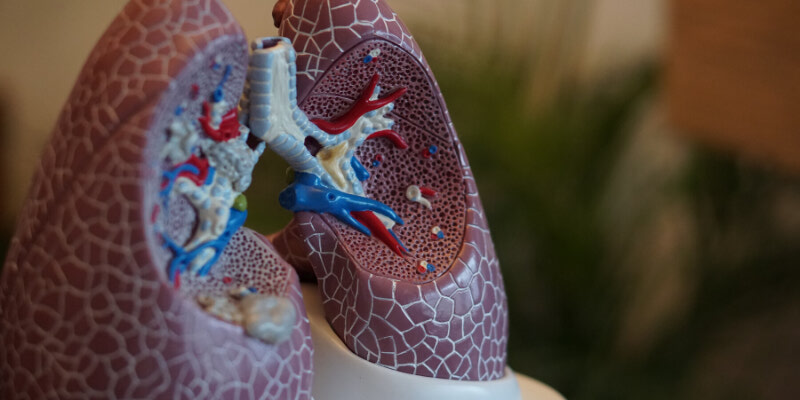
Keep Your Lungs Healthy in the Heat

Learn about the effects that heat can have on those with long-term lung conditions, like COPD or asthma, and how they can stay safe in the summer heat.


Nothing compares to spending the day outdoors and enjoying the warm summer weather. As the temperatures continue to rise, it’s important to keep your breathing and lung functions in mind. Continue reading to learn about the effects that heat can have on those with long-term lung conditions, like COPD or asthma, and how they can stay safe in the summer heat. 


Things to Consider 

Keeping your lungs healthy in the heat is especially important for those with long-term lung conditions like asthma or COPD, as the heat can cause symptoms to flare up. Here are some things to consider when thinking about summer heat: 

  • High levels of ozone: Long-term exposure to ozone is linked to asthma development. Since pollutants react to heat, ozone levels are higher in the summer. This is bad news for those with asthma as it can be triggering and irritating to the lungs. 

  • Dehydration: Water keeps the lung tissue and bronchial tubes moist, so a lack of water makes breathing more difficult. 

  • Humidity: Denser air can make breathing more difficult and require more effort. When your body must work harder to stay cool, COPD or asthma symptoms often worsen and flare-up. 

What to Do 

Just because the heat isn’t ideal for your lungs doesn’t mean you can’t enjoy the weather. Here are some helpful tips to keep your lungs healthy in the summer:  

  • Use your medications: Your doctor can prescribe medication to help your lungs better handle the weather. Certain medications can help control inflammation which makes your lungs more resilient to the temperature. Talk to your doctor about what they can prescribe to help. 

  • Make changes to adapt: Sometimes it’s the simplest changes that can make the biggest difference. If you’re coming inside from the heat to the air conditioning, putting warm clothes on and covering your nose and mouth can help tremendously. Doing this will warm up and humidify the air you’ll breathe in and won’t be as drastic of a change in air temperature for your lungs. 

  • Stay hydrated: Drink plenty of water in the summer to avoid the negative effects of dehydration discussed previously. 

  • Listen to your body: Some days might be better on your lungs than others, so listening to your body day-by-day is crucial. If your symptoms are flaring up and you’re finding it hard to breathe, stay indoors and take it easy. It’s better to be safe than sorry! 

  • Strategically plan your day: Check the forecast and plan your day around the hottest times. Avoid the outdoors during those times, and if you are outside, try to stay in the shade. The hottest time of the day is usually between 11 am and 3 pm, so go out before or after then to avoid extreme heat. 

Spending time outside in the summer is great, but your lung health comes first. Planning your days and taking the right precautions can help you minimize breathing issues and make the most of your summer. For the answers to any respiratory questions or to find reliable respiratory products, be sure to contact us! 

Welcome Resvent

Keep reading to learn more about the Resvent iBreeze APAP Machine.

The Long-Term Effects of COVID-19 On Your Lungs

What are the long-term affects of COVID-19 on your lungs? Here's a little insight in our latest blog.

Top Items to Donate This Holiday Season

It's the most wonderful time of the year... to donate! Take a look at these top items to donate this holiday season.

5 Tips for Preventing Respiratory Injuries

Your lungs work hard for you! Are you doing enough to protect them. From workplace safety to home air quality, these 5 tips can help you prevent respiratory injuries and breathe easier every day.

Top 5 Questions Albertans Ask About Lung and Heart Health in the Winter

We've rounded up the top 5 questions Albertans ask every winter, plus clear, practical answers to help you breathe easier and stay healthy when the temperatures drop.

Show more from Blog
Cold Air and Chest Tightness: Is It Asthma, Heart‑Related or Just the Weather?

Learn what to watch for, how to protect yourself, and when to book an assessment. Find out if you need to book a lung or heart test today.

What You Need to Know About Sleep Apnea

Sleep Apnea is more common than you may think, and understanding what it is, what symptoms to look for and what causes it is important for knowing what the next step is. Find all this out here!

Tips for Traveling with Oxygen

Even if you don t have a portable oxygen concentrator, that doesn t mean you aren t able to travel. With proper planning and precautions, you can travel as much as you want. Don t let anything stand in the way of you seeing loved ones near and far.

Breathing Techniques for COVID-19 Patients

Whether you haven't experienced COVID-19 yet, are a current patient, or are in the process of recovering, these exercises will improve lung capacity to both prepare you and help you recover quicker.

National Immunization Awareness Month: Why Vaccines Matter
Show more from Blog

Contact Advanced Respiratory Care Network

1-866-521-2726


Visit Locations

Edmonton North
Edmonton South

Sherwood Park

Spruce Grove

Camrose
Red Deer

Calgary Northeast

Calgary Northwest

Calgary Southeast
Airdrie


SEE ALL LOCATIONS

Services

Respiratory Consultation & Diagnostics

Home & Travel Oxygen

Obstructive Sleep Apnea

Sleep Consultation & Diagnostics

Cardiology Consultation & Diagnostics


Products

CPAP Masks
CPAP Parts
CPAP Accessories
CPAP and BiPAP Machines

Financial Services

Turn your healthcare expenses into easy monthly payments.


paybright

Copyright © 2023 ARC Network. All Rights Reserved.


Terms & Policies | Built on ShoutCMS